


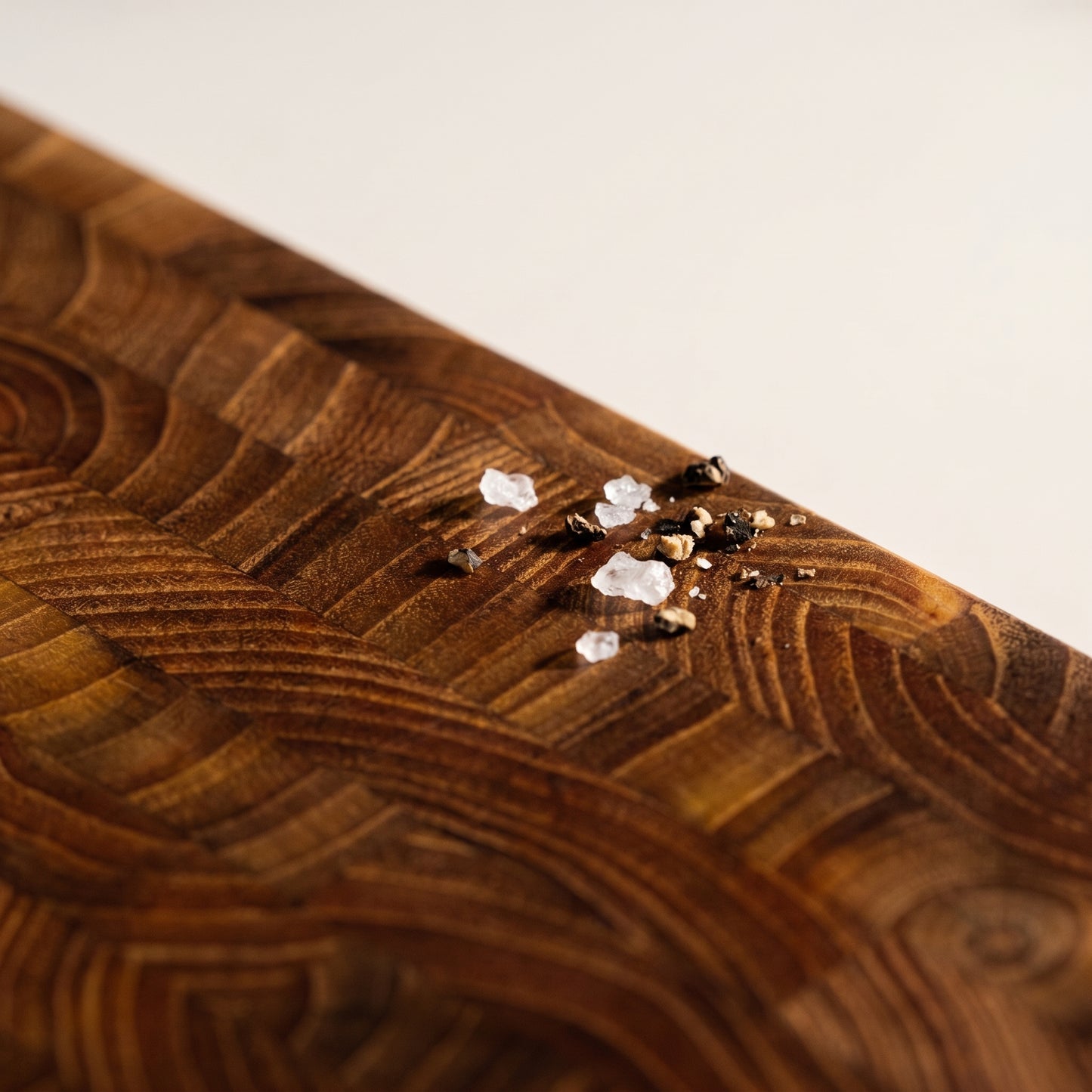
WHERE TEAK COMES FROM
From South Asia. Crafted by hand.
One wood has been trusted for centuries. One craft has shaped it with care. We source directly from the forests — no shortcuts, no middlemen.

Sustainably harvested teak — one of the world's most durable natural materials
01 · THE WOOD
Teak from Southeast Asia
Grown in the tropical forests of Southeast Asia, teak is naturally dense, water-resistant, and built to last generations.
02 · THE CRAFT
Shaped by skilled hands
Every utensil is carved and finished by craftspeople who have worked with teak wood for generations. No machines. No shortcuts.
03 · THE PROMISE
Sustainably sourced. Always.
Harvested responsibly, finished without chemicals, shipped directly to you. What's in your kitchen should be as natural as your food.
"My grandfather carved teak with the same tools I use today. The wood hasn't changed. Neither have we."
AMAN — MASTER CRAFTSMAN Java, Indonesia · Supply partner
The difference
What you get with Teak & Grain.
Not all cutting boards are created equal. Here's why it matters what yours is made of.
| Teak & Grain | Others | |
|---|---|---|
|
Sustainably sourced teak
Harvested responsibly — every board traceable to its origin, not mass-produced from unknown sources
|
||
|
End-grain construction
Knife edges slide between wood fibres instead of cutting across them — the surface self-heals, protecting both board and blade
|
||
|
Naturally antimicrobial surface
Teak's natural oils inhibit bacterial growth. Plastic and silicone boards develop deep knife grooves that trap bacteria and are nearly impossible to clean
|
||
|
No microplastics in your food
Every cut on a plastic board sheds microplastics directly onto your food. Teak is 100% natural — nothing ends up on your plate that shouldn't be there
|
||
|
Built to last decades
Plastic boards warp, stain, and need replacing every few years. A properly maintained teak board is a one-time purchase that outlasts everything else in your kitchen
|
||
|
30-day risk-free trial
Try it in your kitchen for 30 days. Full refund if you're not convinced — no questions, no hassle
|


Illustrative cross-section. Plastic grooves harbour bacteria; teak end-grain fibres close after each cut.
What it fixes
What lives in your
cutting board.
You'd be surprised.
Plastic boards look clean. But every cut leaves a groove — and grooves are where bacteria hide, multiply, and resist scrubbing. Teak end-grain is different. The fibres close back up after each cut, leaving nowhere for bacteria to live.
Care guide
A board that lasts a lifetime.
If you treat it like one.
Teak is one of the most resilient woods on earth. A little care goes a long way — here's everything you need to know.
- Put it in the dishwasher
- Soak it in water or leave it wet
- Place near a stove, oven, or radiator
- Use olive or vegetable oil — they go rancid
- Hand wash with mild soap after every use
- Dry upright so both sides breathe evenly
- Oil monthly with food-grade mineral oil
- Sand lightly with fine grit if deep scratches appear
New board tip: Oil your board 3–4 times in the first week before using it. This initial conditioning seals the wood and sets it up for years of daily use without cracking.
FAQ
Questions, answered.
Everything you need to know before — and after — you order.
Still have a question? Get in touch — we usually reply within a few hours.
The color of the cutting board is different from what you see on the screen, right? I bought it in large size and it's perfect. It has a good weight to it and is new so it's a bit slippery, but I'm satisfied.
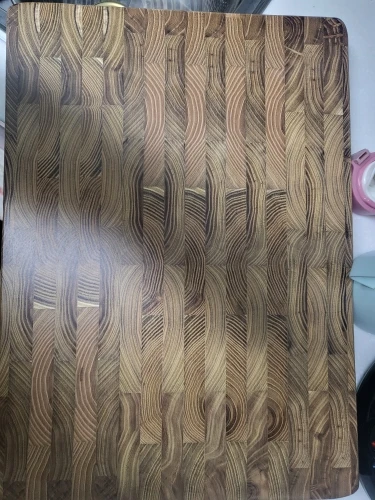
The product quality is good. I think I'll need to use it to know its durability. The delivery arrived quickly within 5 days, and it was made of material without any issues. I am satisfied.
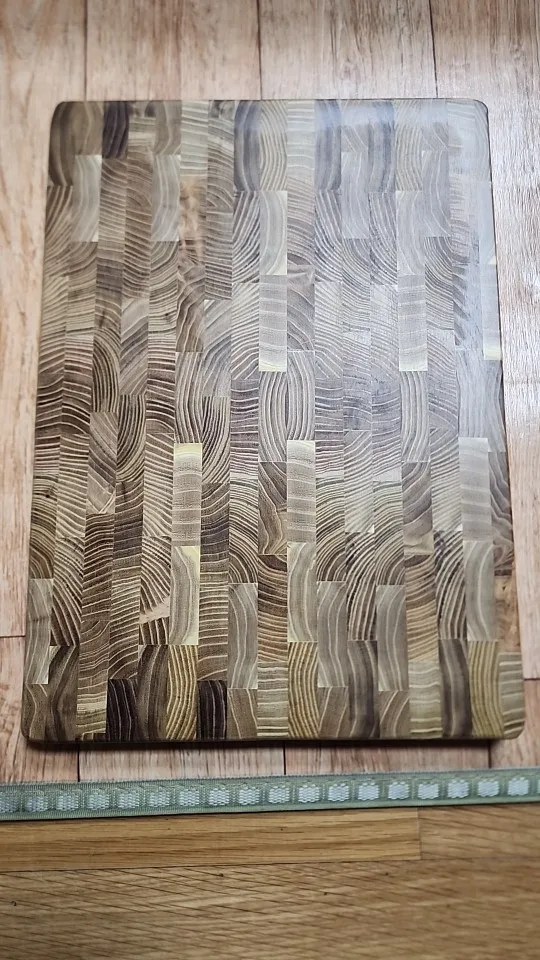
I received it at a low price and used it after applying oil and letting it dry for two days.
The knife marks are moderate and it feels heavy, which I like.
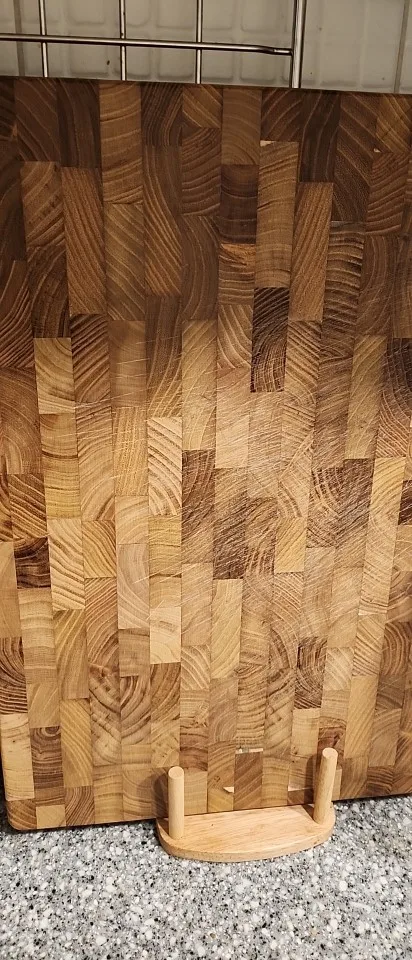
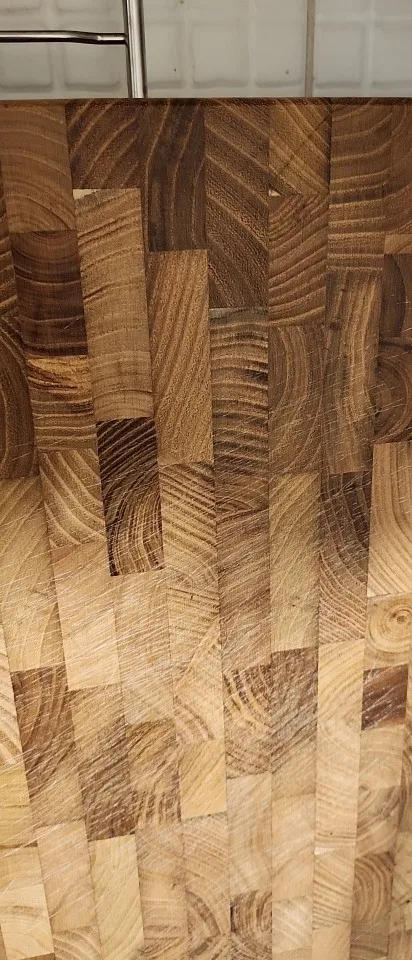
It looks of very good quality and construction, I have a larger teak one and I bought this one for sweet things, I think it's worth every penny, very good.
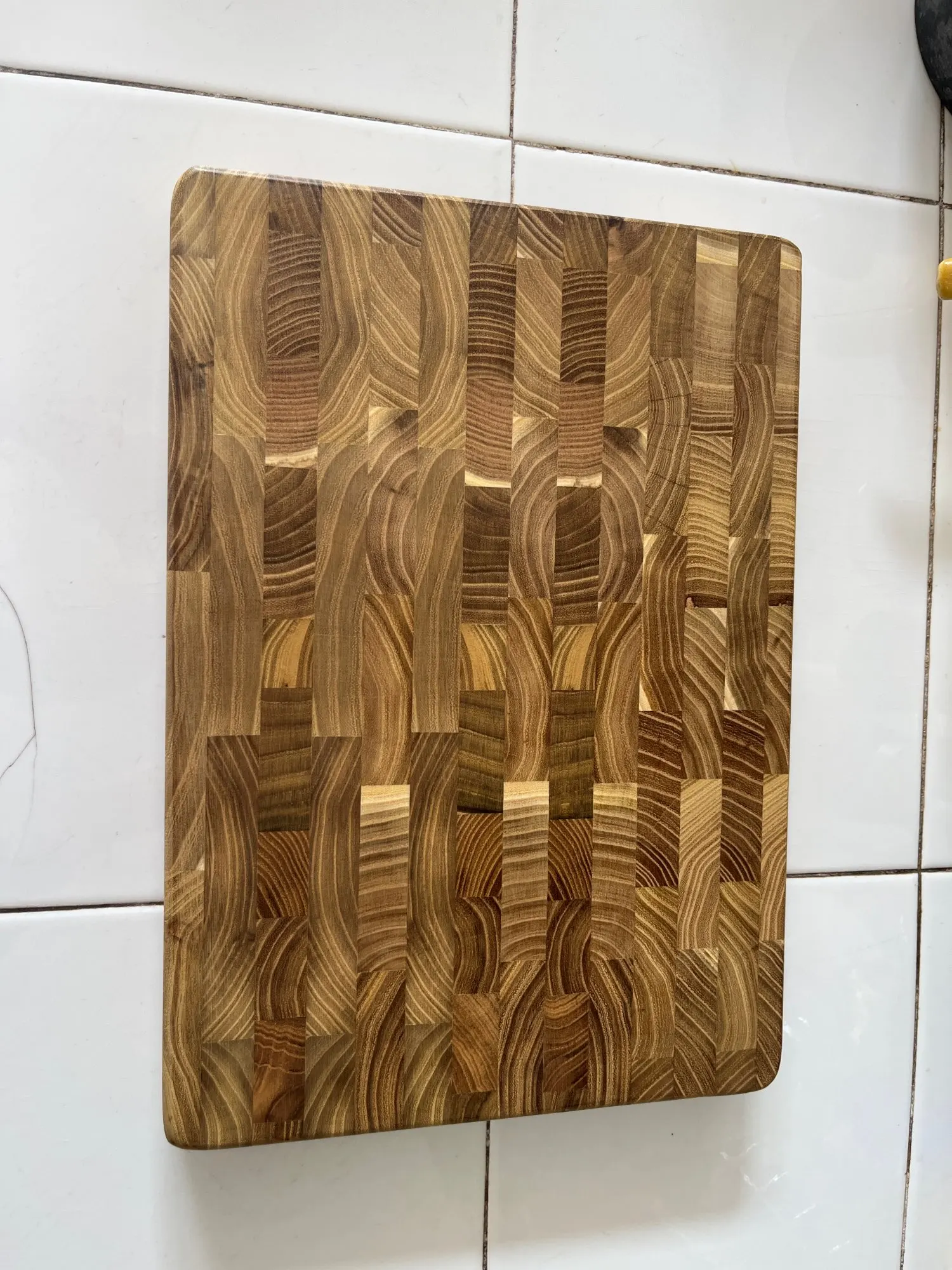
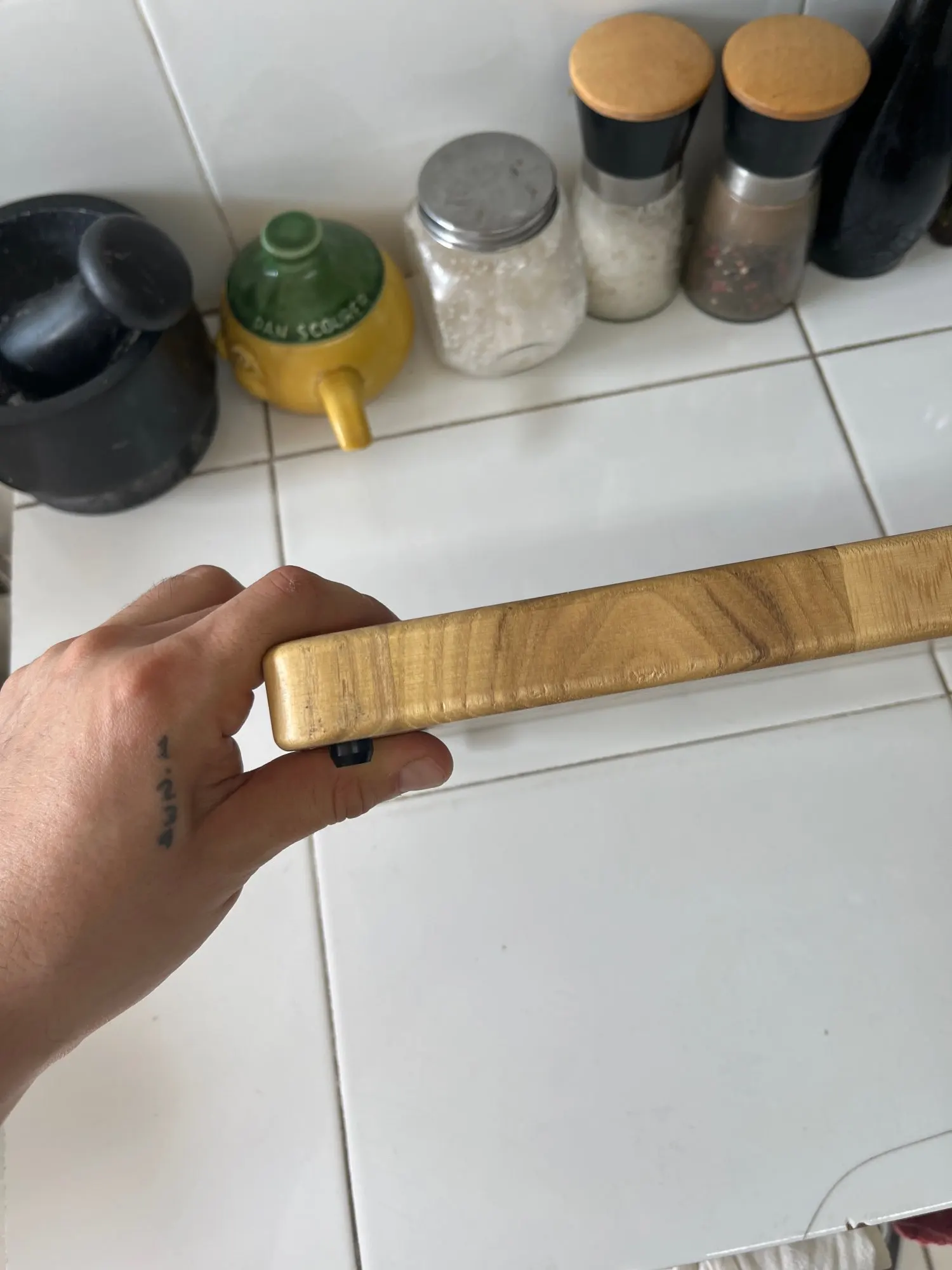
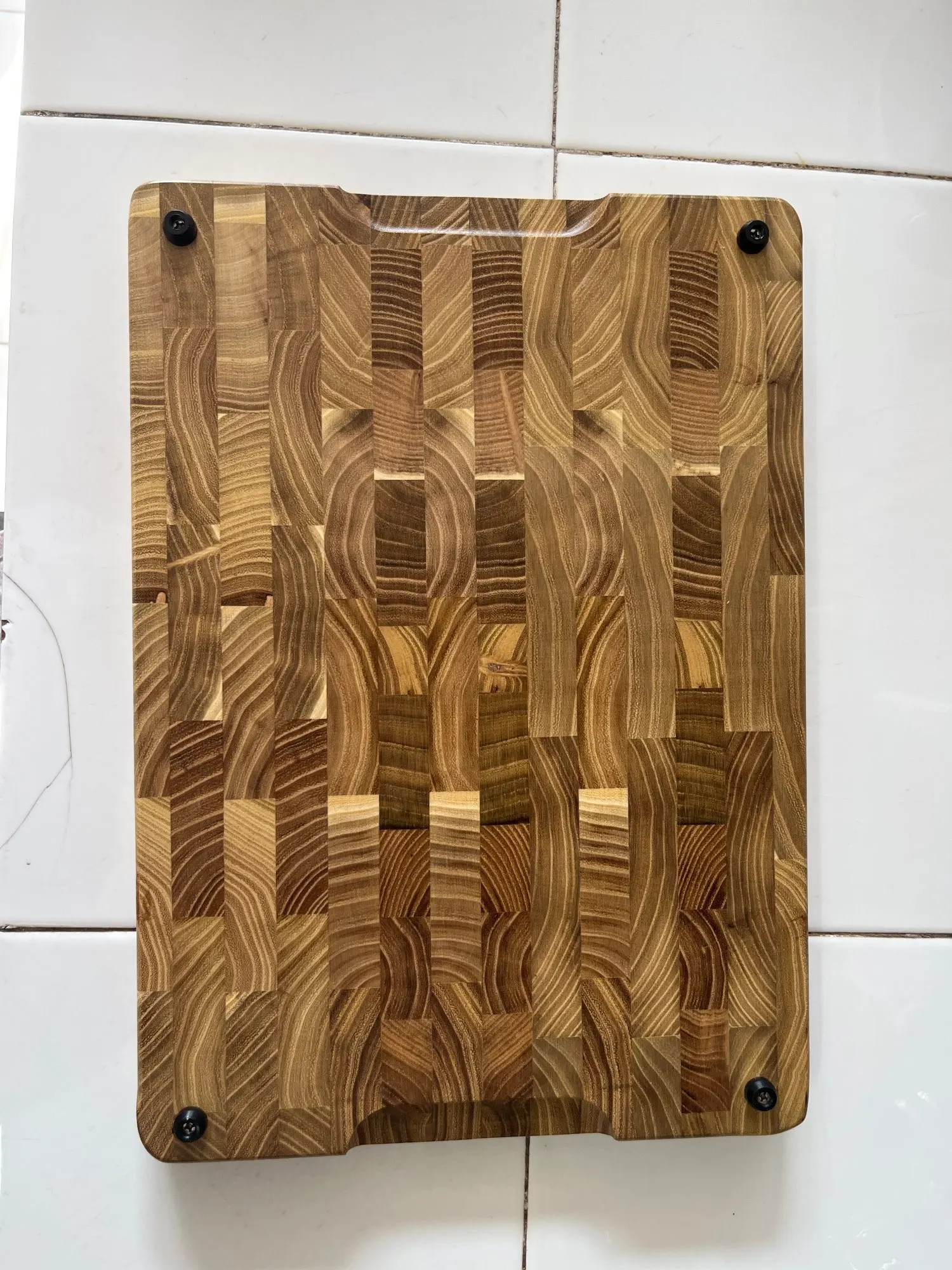
The size is just right and pretty.... Thick and sturdy for a good sense of stability... Arrived without any dents or scratches.... The size is just right and pretty.... Thick and sturdy for a good sense of stability... Arrived without any dents or scratches.
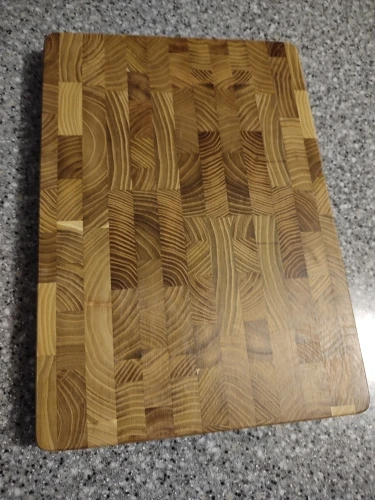
The size is generous, so it's great for placing multiple ingredients at once and slicing them.
Even when preparing meat, it's not narrow so there's no stress, and it has weight so it doesn't slip, providing stability.
The surface is smooth and the feeling when sharpening is good, so I often use it.
After washing, if you just wipe off the moisture, it's not difficult to manage, so I'm using it satisfactorily.
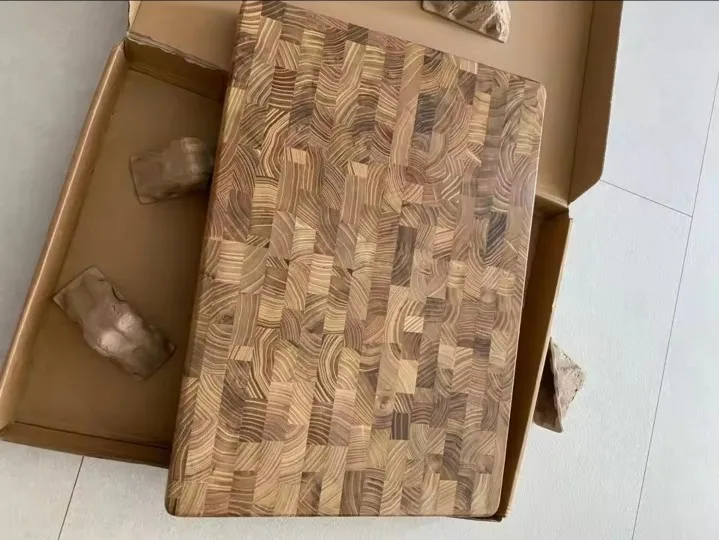
It was convenient because it has a large size, providing ample space for preparing meat or cutting multiple vegetables.
And because it's And Grain, there aren't many knife marks and it feels really smooth when sharpening.
Although it's a bit heavy, it's stable enough to use without slipping or shaking.
The design is also elegant, so it looks pretty just placed on the dining table and I was satisfied.
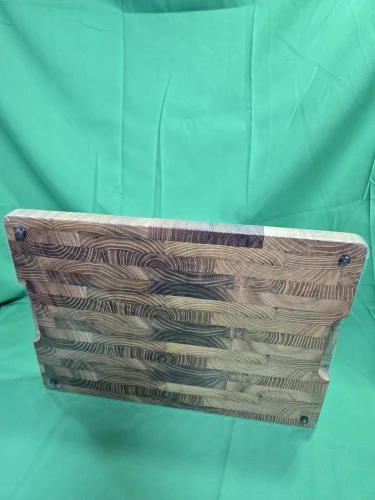
As soon as I received it, there was a faint scent of wood that made me feel good.
The weight is appropriate and it doesn't slip when sharpening, so it feels stable.
I'm satisfied because water doesn't seep in easily and it's not difficult to manage.
The design is neat, so it looks good in the kitchen when placed.
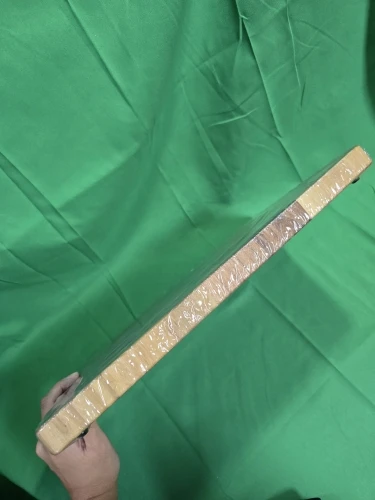
I bought a really good cutting board for price
I bought it because the reviews were good, and when I received it, it was big and heavy, making me want to cut with it.
After using a cheap cutting board, I switched to this one which is spacious enough to cut and place various vegetables.
There are hardly any scratches and it washes very easily.
It seems that similar products in cost around $150
If you think it's worth buying, buy this. You won't regret it.
However, it might be a bit heavy for women.
The cutting board is not only affordable but also in really good condition and sturdy. I'm glad I bought it and highly recommend it.
Thank you, thank you, thank you, thank you, thank you, thank you, thank you, thank you, thank you, thank you, thank you.
This cutting board is the best.
The pattern is pretty and the size is large.
It's nice to use because it has a good weight to it.
As soon as it arrived, I greased it with olive oil and wrapped it with foil.
I left it to dry for 24 hours.
After washing it thoroughly, it's absolutely perfect to use.
I also want to buy a smaller one.